Experience is Walking Out the Door
Retirement Is No Longer a Future Problem | Caroline Burgreen, President & CEO
In this month’s edition, we’re seeing a consistent theme in nearly every conversation with clients, regardless of industry: retirement.
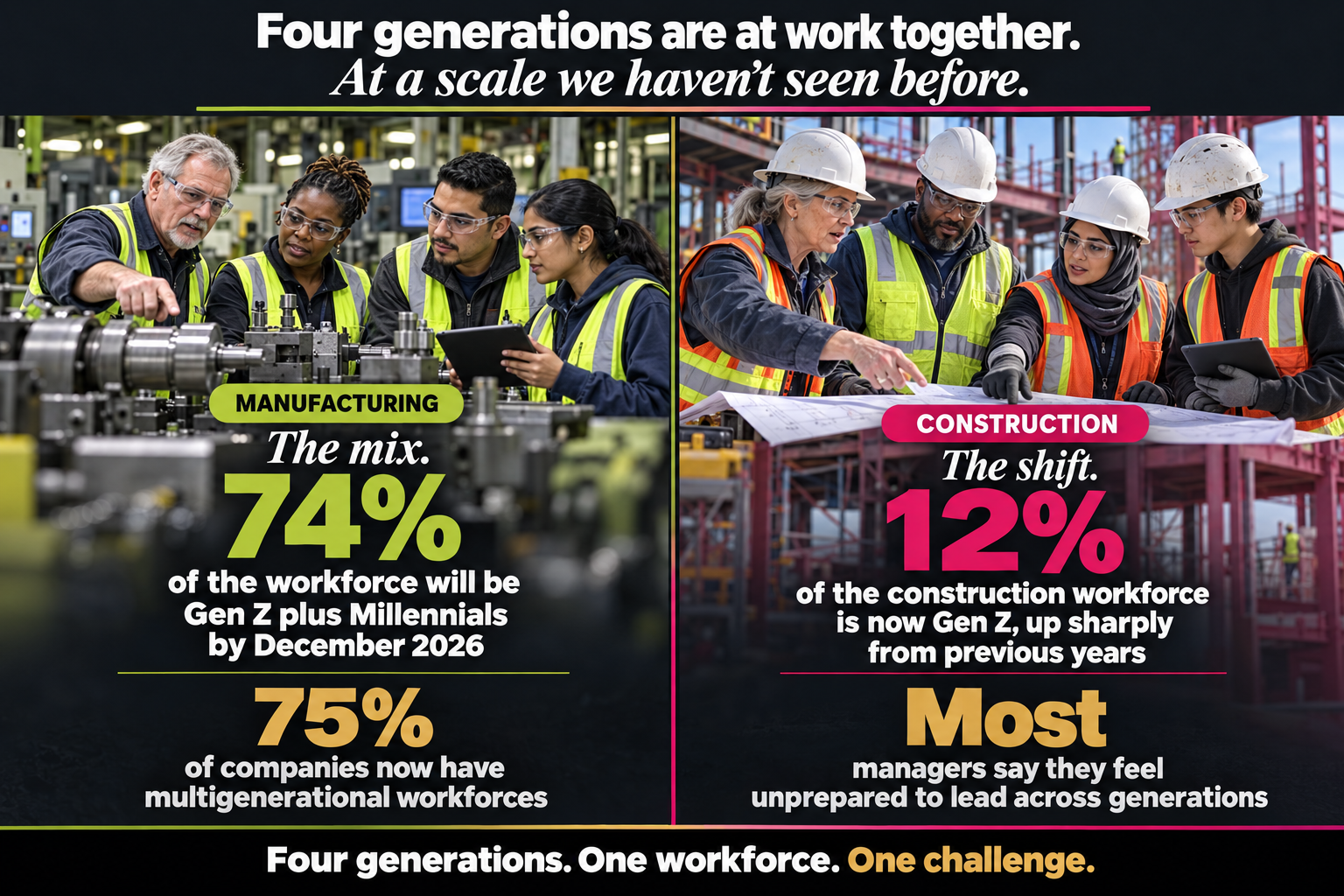
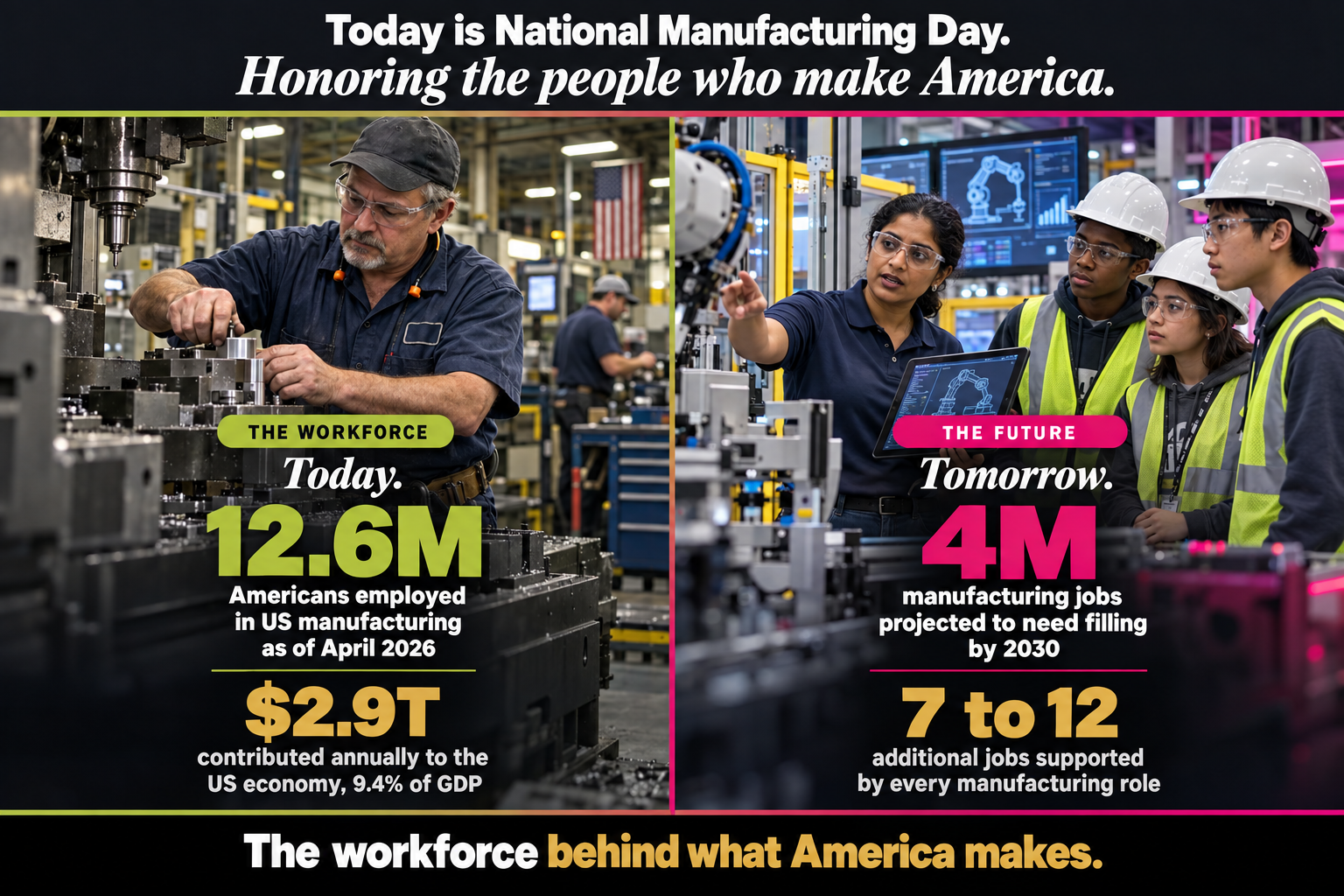
And the data supports it. Roughly 10,000 people reach retirement age each day in the U.S., and that shift is starting to show up inside organizations in a very real way, very quickly.
We’ve all known this was coming, but what feels different now is how often it is showing up and how quickly it is forcing decisions. Across industries, long tenured employees are stepping away from roles they have held for decades. In many cases, these are not just employees. They are the people others rely on, the ones who know how things actually work, who can troubleshoot without a playbook, and who have built relationships that make everything run smoother.
I have seen this throughout my career, both firsthand and when partnering with organizations. You do not fully appreciate the value someone carries until you see what happens when they are no longer in the room. When they leave, teams feel it immediately, not just in the work, but in how decisions get made, how problems get solved, and how teams operate day to day.
While many organizations expected this, what we are seeing is that not all were fully prepared for it. On paper, succession plans exist, and there is often a name identified for who will step in next. But when the transition actually happens, there is often hesitation. Sometimes the person stepping in does not feel fully ready, and in other cases the role itself has evolved so much over time that it is difficult to clearly define what it should look like going forward.
So, hiring managers do what feels logical. They try to replace what they lost with someone who looks similar on paper, with the same title, a comparable background, and similar experience. That is often where things begin to slow down, not because the talent is not out there, but because the role being hired for does not fully reflect what the business actually needs today.
When a role has been shaped over 10, 15, or 20 years, it is rarely as simple as replacing it one for one. In practice, that approach tends to create more frustration than progress and leaves teams with a larger gap than they anticipated.
In many cases, that gap is not just about the work. It is about the experience, judgment, and confidence that were built over time, and what it takes for someone new to grow into that same space.
Stop Hiring Replacements. Start Hiring for What You Actually Need Now.
One of the biggest shifts we’re encouraging clients to make right now is to pause before immediately trying to backfill a role exactly as it existed.
The reality is, the person who just retired did not start as the leader they became. They grew into it over time, building knowledge, relationships, and instincts that do not show up on a resume or in a job description.
Trying to hire that same person in one step is where we often see searches become longer, more frustrating, and less effective.
The organizations navigating this well are taking a different approach. They step back and ask better questions. What does this role actually need to accomplish today? Which parts of the role are critical, and which evolved over time? Is this truly one role, or are we trying to hire one person to cover what has become two different jobs?
In some cases, the answer is hiring someone with strong foundational skills and the ability to grow into the role, rather than someone who checks every historical box. In others, it means redistributing responsibilities across a team instead of expecting one person to carry the full weight of what the previous employee handled.
It becomes less about finding an exact replica of the person who left, and more about hiring for what the role actually requires today.
This is also where many organizations get stuck. It requires letting go of what the role used to be and getting clear on what it needs to be moving forward. It requires alignment internally on what success looks like, along with more intentional onboarding and development than many teams have historically planned for.
But when that shift happens, hiring becomes more focused, onboarding becomes more intentional, and long term success becomes far more predictable. It does not just fill a gap. It creates forward momentum.
Where We're Seeing This Outside of Work | Kelly Gerritse, Chief Operating Officer

One thing I’ve been thinking about, especially with everything Caroline shared, is how often we expect people to step into roles they have not truly been prepared for, and how uncomfortable that can feel.
As a former athlete, I remember being asked to play a different position. Not because I had mastered it, but because the team needed it.
It did not always feel great. You question yourself more. You think a little slower. You notice every mistake.
But over time, something shifts. You start to see the game differently. You grow into the role, not because you were perfectly ready, but because you stepped into it.
I am seeing that same dynamic play out in organizations right now.
As experienced leaders retire, the next generation is stepping up, often faster than expected. On paper, they may check the boxes, but that does not mean they feel ready for the weight of the role.
That is where the disconnect happens. We expect confidence to show up immediately, when in reality it is built through experience.
The strongest leaders in these moments are not the ones acting like they have all the answers. They are the ones who ask good questions, stay open to feedback, and learn in real time.
And the organizations that support them well do not expect perfection on day one. They create space for growth, provide context alongside responsibility, and offer support in a way that allows people to build confidence over time.
Stepping into a bigger role takes more than just being capable. It takes time, support, and the opportunity to grow into it.
What this moment is reinforcing is that we do not need more “perfect” candidates. We need people who are willing to step into the role, and organizations that are willing to support them as they do.
That is where we are spending a lot of time with clients right now, helping them think through not just who to hire, but how to structure roles, support transitions, and set people up to succeed over the long term.
As we continue to navigate this wave of retirements, the organizations that will come out strongest are not the ones trying to recreate the past. They are the ones willing to think differently about how roles are defined, how people are supported, and how leaders are developed.
Because at the end of the day, stepping into something new is rarely about being fully ready.
It is about being willing to step in and having the right support around you as you grow into it.