
Hiring Decisions in a Changing World

When the Role on Paper Doesn't Match Reality | Caroline Burgreen, President & CEO
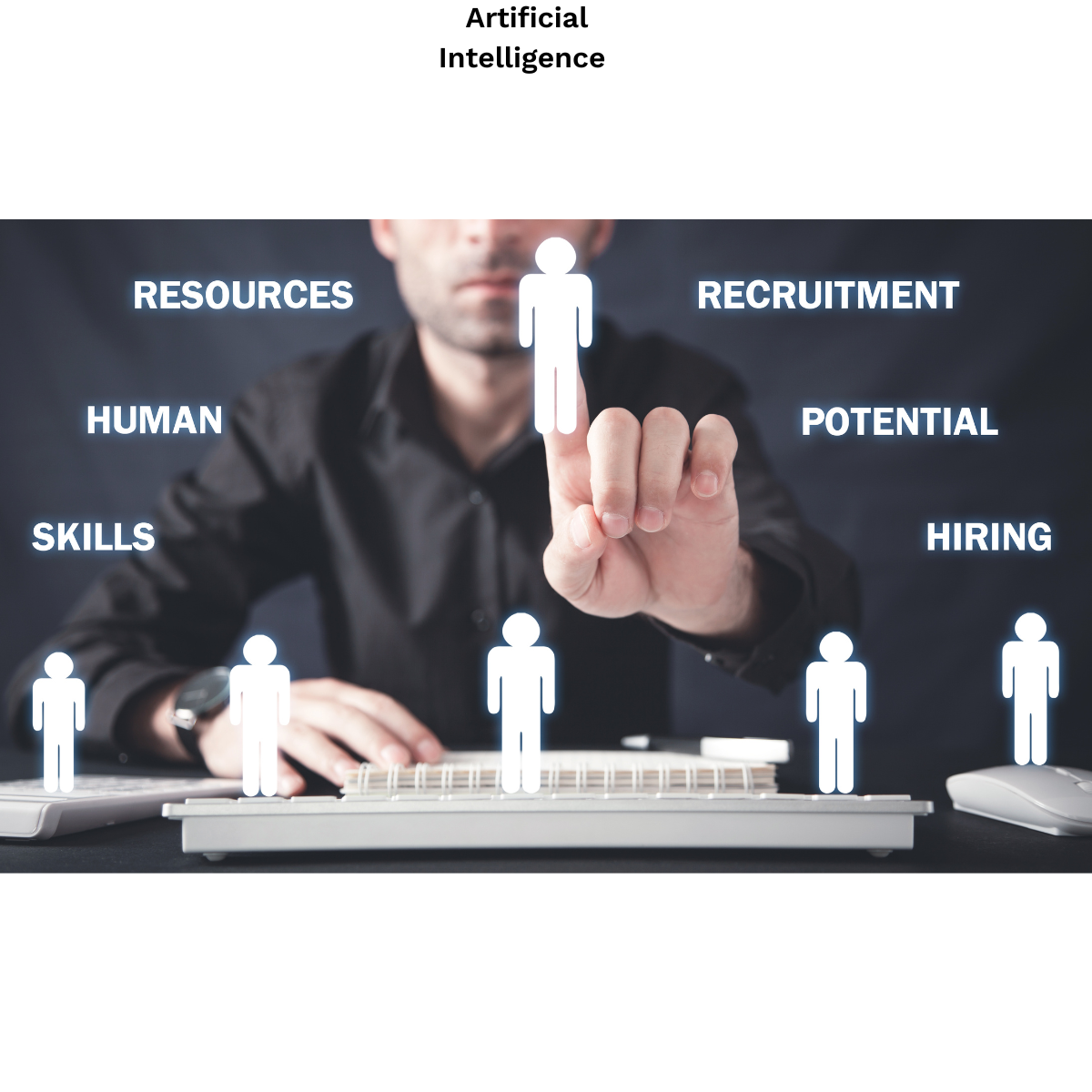
In this month’s edition, we’re sharing perspectives on two topics that are coming up frequently in conversations with leaders right now. One is artificial intelligence in recruiting and how organizations are thinking about using technology in hiring decisions. The other is something that has always been important to us at Organa: taking a step back to evaluate whether roles themselves are defined the right way for today’s needs. We often refer to this as a Position Review.
It’s happened more times than I can count throughout my career. Before a search even begins, I receive a job description and then schedule an intake call with the hiring team, only to realize we’re talking about two completely different roles.
The document might describe someone with ten years of experience, a specific degree, deep technical expertise, leadership capability, cross-functional influence, and the ability to hit the ground running on day one. In other words… a unicorn.
But then I talk with the person actually leading the team, and what they really need sounds different. They need someone dependable. Someone adaptable. Someone who can solve problems, learn quickly, and contribute in the environment as it exists today, not as it looked five years ago when the job description was last updated. And that’s if we’re lucky. Some haven’t been touched in over a decade.
Over time, I’ve learned that the most successful hires rarely come from candidates who check every single box on paper. They come from people who can do what the role actually requires now and who fit the culture of the organization, even if their background doesn’t line up perfectly with the document.
As organizations evolve faster and technology becomes more involved in how we hire, this gap between what’s written and what’s actually needed becomes more obvious. And it reinforces something important. Tools can help, but they don’t replace leadership judgment. Clarity about what you truly need, and the willingness to challenge assumptions, still matters most. That clarity becomes even more important as new tools like artificial intelligence become part of the hiring process.
AI in Recruiting: The Assist, Not the Shot
With conference tournaments starting and March Madness around the corner, there is a lot of conversation about performance, preparation, and decision making. It is a good reminder that even at the highest levels of competition, success is never driven by one factor alone. Talent matters. Strategy matters. Execution matters. And teams perform best when the right pieces work together.
Artificial intelligence is starting to play a similar role in recruiting.
The technology is improving quickly, and when used thoughtfully, it can create real advantages. AI can help identify candidates faster, reduce administrative workload, and streamline parts of the process that have traditionally taken significant time. Those are meaningful benefits, and most organizations should absolutely be exploring how technology can support their hiring efforts.
But AI is not the decision maker. It is the assist.
Hiring decisions are rarely just about credentials or keyword matches. Leaders are evaluating how someone thinks, how they approach challenges, how they communicate, and how they will operate within the culture of a specific team and organization. Culture is not something you can measure with an algorithm. It is experienced through interaction, judgment, and context.
There is also risk in overreliance. If organizations depend too heavily on automated screening or rigid filters, they can unintentionally eliminate strong candidates who do not follow traditional career paths but bring exactly the capabilities the role requires. In many cases, those individuals become the highest performers once hired.
The organizations seeing the most success right now are not choosing between technology and human judgment. They are combining them. They use AI to improve efficiency and visibility into talent pools, while leaders stay actively involved in defining what success looks like and making the final decision.
Technology can help you move faster. It can help you see more options. It can support better processes.
But just like in sports, the assist only matters if someone takes the shot. Leadership still owns the outcome.
Position Review: Are You Hiring for Today or Yesterday
One of the most common challenges we see has nothing to do with candidate availability. It starts much earlier, with how the role itself is defined.
Many positions evolve over time. Responsibilities shift. Teams change. Technology advances. Business priorities move. But job descriptions often stay the same. Details get copied from previous versions, additional qualifications get added “just to be safe,” and over time the role becomes a collection of expectations that may no longer reflect what success actually looks like.
That is where a Position Review becomes valuable.
A Position Review is simply taking a step back to ask a few important questions before recruiting begins. What does this role truly need to accomplish today? What capabilities matter most for success in the next one to two years? Which requirements are essential, and which ones are preferences that have carried forward out of habit? Is a degree truly necessary, or would relevant experience deliver the same or better results? Could the responsibilities be structured differently to better match the current team and business environment?
In many cases, small adjustments create a much stronger hiring outcome. Leaders gain clarity. Candidate pools expand. Expectations align more closely with reality. And the person hired is more likely to succeed because the role itself was defined thoughtfully from the start.
Just like with technology, the goal is not perfection. It is clarity. When leaders are clear about what they actually need, hiring decisions become easier, faster, and far more effective.
Where We're Seeing This Outside of Work | Kelly Gerritse, Chief Operating Officer

It shows up in everyday life too.
Think about online dating algorithms. They match people based on data points like age, location, interests, and preferences. The technology can narrow the field and introduce you to people you might not have met otherwise. That part is helpful.
But anyone who has been in a real relationship knows chemistry is not built on checkboxes. It comes from interaction, conversation, shared experiences, and how people show up over time.
Both parts matter.
The algorithm increases the chances of finding a good match. The human connection determines whether it actually works. And there is one more factor that influences both. You have to be clear about what you are looking for in the first place. If your preferences are outdated or unrealistic, even the best technology will not produce the right results.
Hiring works the same way.
Artificial intelligence can help identify candidates and create efficiency in the process. Leaders ultimately make the hiring decision through conversation and evaluation. But both depend on having a clear, accurate understanding of what the role truly requires today.
At Organa, we spend a lot of time helping leaders bring those pieces together. When expectations are clear, technology becomes more useful, conversations become more productive, and decisions become more confident.
Because at the end of the day, whether in relationships or in organizations, success rarely comes from finding the closest match on paper. It comes from clarity, thoughtful evaluation, and choosing the right fit for the environment.