
Your Job Posting Isn't Your Problem.

The Thirty Day Hire That Took Many, Many Months | Caroline Burgreen, President & CEO
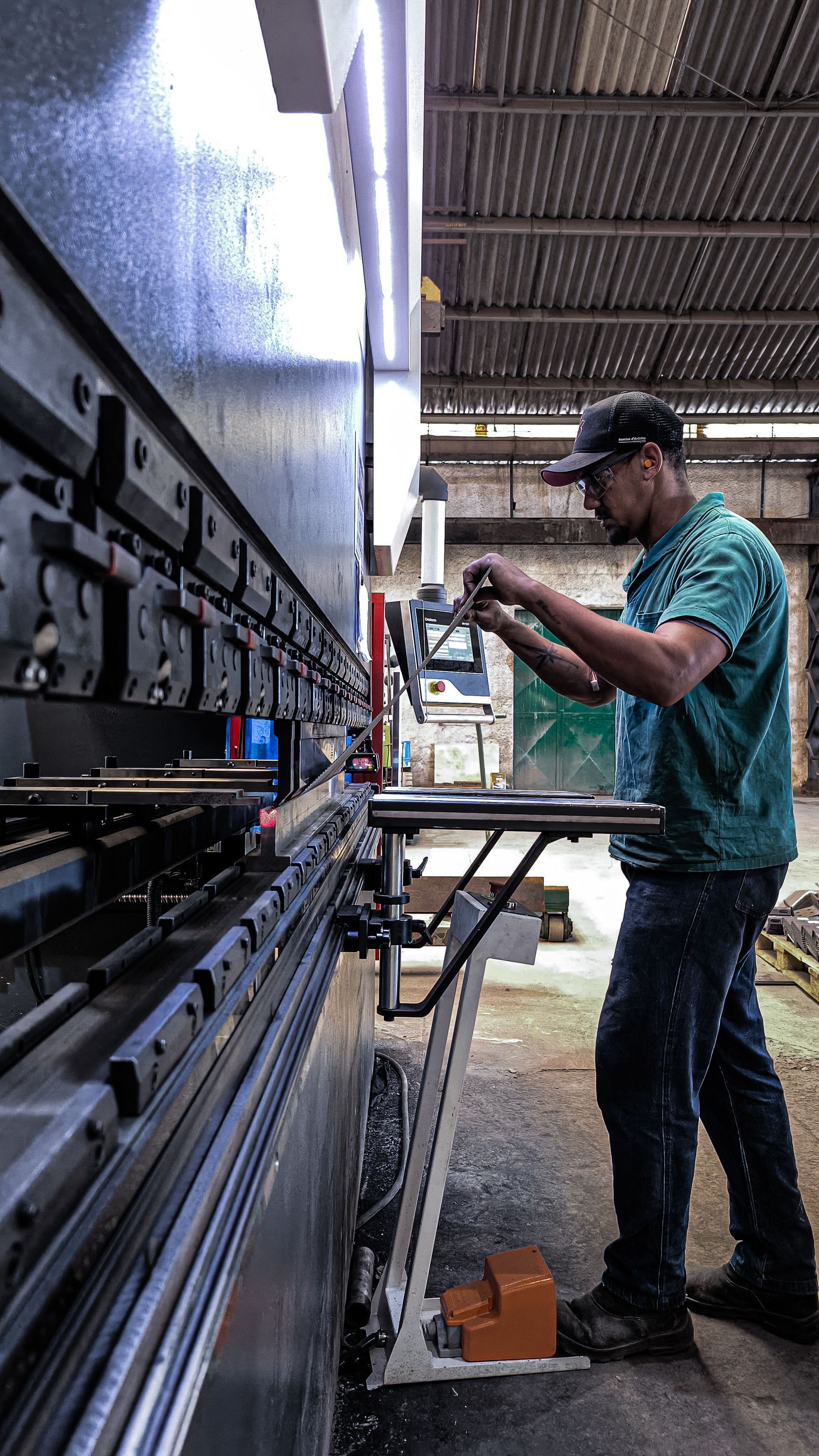
There's a crisis running through every manufacturing plant in the country right now, and it's not the one you see in the headlines. It's got nothing to do with the economy, tariffs, or automation.
It's the maintenance technician who put in his notice three weeks ago. Fourteen years on the floor. He's the one who knew exactly which valve on Line 2 sticks when humidity climbs above 60%. On paper, his replacement should take 30 days to hire.
It won't take 30 days. It rarely does anymore.
The numbers back this up in a way that still catches me off guard every time I see them. The average manufacturing facility is now absorbing 326 hours of unplanned downtime a year. Mean time to repair has climbed from 49 minutes to 81. The equipment didn't change. The people who understood it did, and they're leaving faster than anyone can replace them. BLS is projecting over 500,000 manufacturing jobs will go unfilled through 2030, and the maintenance bench sits right at the center of that number.
I have a good friend who's a Director of Manufacturing at a food manufacturer, and we trade notes often. He's been telling me the same thing for months now. Craft skills positions, electricians, mechanics, the people who actually keep a plant running, are getting harder to hold onto and harder to replace. Some leave for retirement. Some leave for a dollar more an hour down the road. Either way, the position sits open longer than it should, and his team absorbs the strain in the meantime. He called me a few weeks ago just to ask what he could actually do about it, because he knows this is the world I live in every day. I don't think he's the exception. I think he's just one of the few willing to say it out loud.
Here's the part that doesn't get talked about enough though. The job posting itself is often making the problem worse. Not because it's written badly. Because nobody actually pressure tested it before it went live. The title says one thing. The scope says another. The pay says a third. By the time leadership notices the search has stalled, two months and a lot of frustration are already gone.
We talk a lot in this industry about fixing the talent pipeline. We don't talk nearly enough about whether the role we were trying to fill was ever set up to attract the right person in the first place.
That's the conversation I think more operations leaders need to be having.
What the Numbers Are Actually Telling You
Most leadership teams don't find out they have a maintenance staffing problem until it shows up somewhere expensive. A line down longer than it should be. A repair that takes an extra hour because the tech who knew the shortcut is gone. By then it feels sudden, even though the data's been building for a while.
By the Numbers
The maintenance hiring landscape is tighter than most leadership teams realize. Here's what the data actually says heading into Q3.
462,000 open manufacturing jobs as of March 2026, climbing quarter over quarter. The gap between openings and hires is not closing.
174,000 manufacturing employees quit voluntarily that same month. Losing one experienced maintenance tech can take months to recover operationally.
81 minutes is the new average repair time, up from 49. Skills gaps and parts delays are the primary drivers.
326 hours of unplanned downtime per facility, per year. That's the cost of running short staffed, every single day.
45% of maintenance leaders say a lack of resources is their biggest challenge. Aging infrastructure at 33% and skilled labor shortages at 30% are right behind it.
None of these numbers are new to anyone running a plant floor. But most of them never make it into the conversation when a req gets opened. Which is a mistake.
Here's where most leadership teams get it wrong. They treat this as a sourcing problem, so the response is more job boards, more recruiters, a wider net. But wider isn't the issue. The issue is that these numbers describe a structural shift, not a temporary dip, and a bigger net doesn't fix a role that was never built to compete for the few people who can actually do the work.
The teams handling this well aren't the ones reacting fastest once a line is down. They're the ones who looked at these numbers early and asked what needed to change before the req was ever posted.
Where We See This Outside | Kelly Gerritse, Chief Operating Officer

I read Caroline's line about the maintenance tech who knows exactly which valve on Line 2 sticks when humidity climbs, and it made me think about how every office has its own version of that person, even if nobody would ever describe it that way.
You know the one. They've been there long enough that they don't "look things up" anymore, they just know. They know which client actually means it when they say "urgent" and which one doesn't. They know the real reason a process got built the way it did, even though the reason stopped mattering three reorgs ago. They know how to read a room in a meeting before anyone else in it does. None of that lives in a training manual. It lives in them, built up one repetition at a time until it stopped being knowledge and just became instinct.
That's exactly what makes it so easy to miss. Instinct doesn't look like an asset on paper. Nobody writes "knows how to handle it" on an org chart. So the value stays invisible right up until the person who has it is gone, and suddenly a dozen small decisions that used to happen without a second thought need a whole meeting to sort out.
The plants Organa works with are living this at scale, with real dollars attached to every hour a machine sits down while someone relearns what a departing tech used to know instinctively. But you don't need a plant floor to feel this one. You just need to have ever lost the person who "just knew how things worked around here," and realized only after they left how much of the place was actually running on them.